The Promise I Made With Bread In My Hands
The Basket
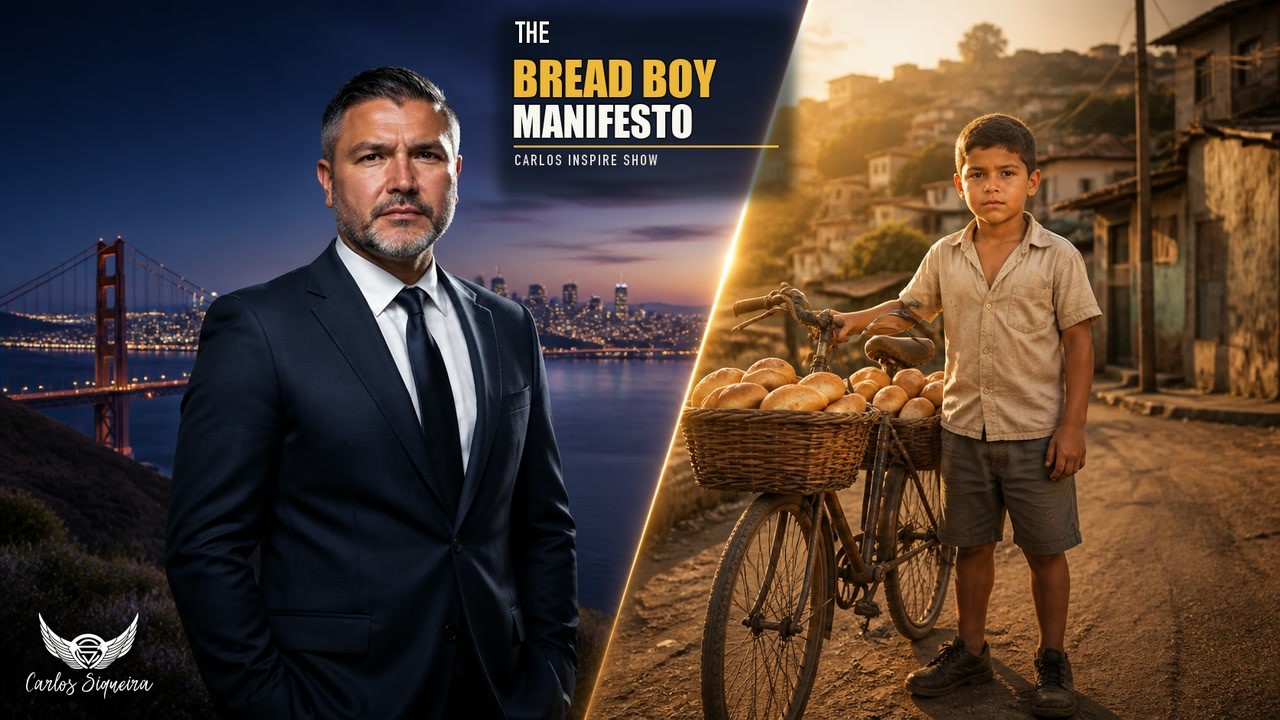
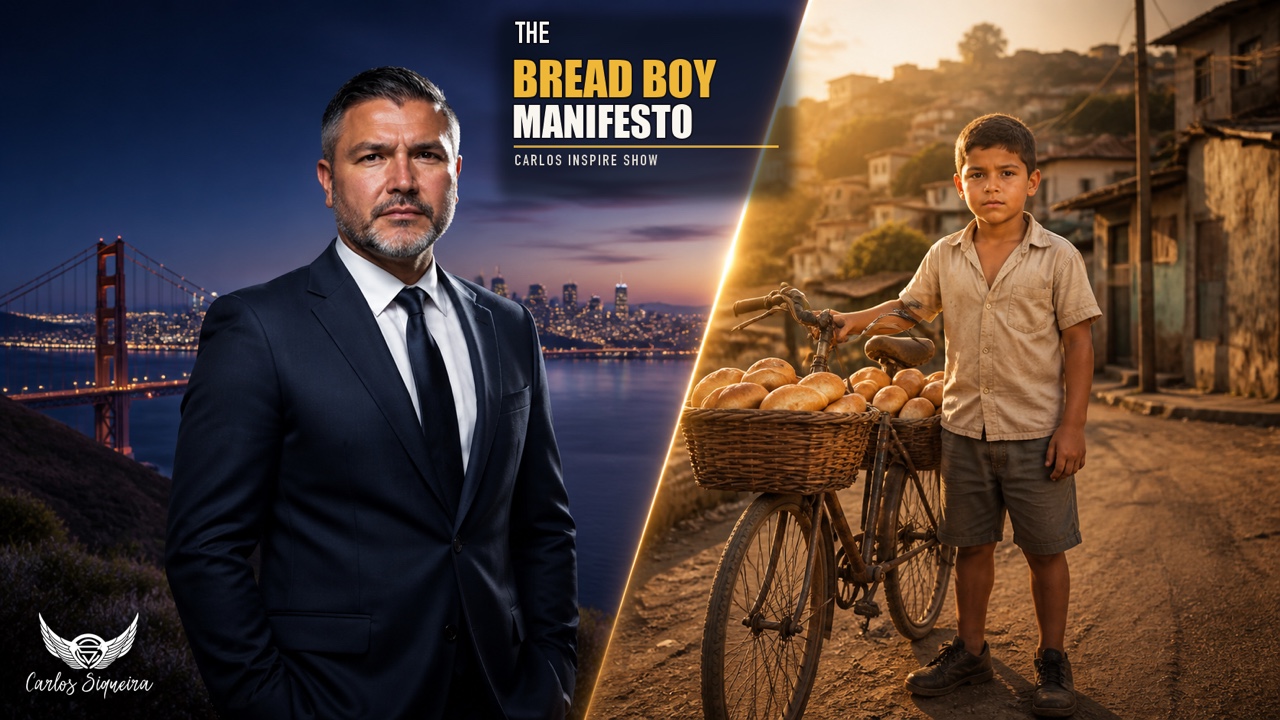
I was seven years old, standing on a dusty street in Brazil, holding a basket of bread. That basket was the only thing standing between my family and going hungry that night. I didn't know the word entrepreneur. I didn't know the word sales. I just knew I had to sell what was on that tray before the sun went down.
The Circle
By the time I was ten, I wasn't out there alone anymore. There was a circle of us, five or six boys, ages ten to fourteen, all selling whatever we could on those same streets to help our families eat. We were closer to brothers than friends, because we needed each other to survive that corner.
That corner kept taking people from us. Violence, crime, corruption — it was constant, and every few months it was somebody else's turn to grieve. After one especially bad stretch, the circle of us sat together and made each other a promise: if I ever leave this hood, I will come back, and I will help one another. That's the real promise behind everything I've built since — not a line I told myself alone as a small child, but a promise a group of grieving kids made to each other.
What The Climb Actually Looked Like
The version most people see is the highlight reel: Fortune 100 boardrooms, three hundred plus presentations, helping generate over a billion dollars across twenty years in enterprise sales, eight straight years without missing a quota.
What most people don't see is what it felt like walking out of those rooms. I'd close a deal worth millions and feel the exact same emptiness I felt as a kid on that corner. Because chasing quota was never the promise. Helping one another, that was the promise, and for a long time I let a title and a commission check convince me they were the same thing. They weren't.
The Chapter I Almost Cut
In 2018, I wrote it all down in Work Like An Immigrant. There's a chapter in that book I almost pulled before it ever went to print — the most honest thing I'd ever put on paper. My editor talked me into keeping it in. It's still the chapter readers bring up the most, years later. I won't tell you which one. You'll know it when you get there.
The Turn
For years, working like an immigrant meant grinding alone, because nobody was coming to save me. That thesis hasn't changed. What's changed is that I no longer do it by myself. I work like an immigrant with an army of intelligence beside me now — AI doesn't replace the hunger that got me off that street corner, it multiplies what that hunger can build.
Why This Matters Now
My fourteen-year-old daughter quoted me at her graduation this year: "Like my dad says — if you do what is easy, life will be hard, but if you do what is hard, life will be easy." That's when I understood the promise had become bigger than me.
The vision now isn't just telling my story. It's helping build a generation that refuses to lose its hunger, the same way that circle of five or six kids refused to lose ours. CEOs who remember the corner they came from, kids who see a path because someone who looks like them walked it first, and everyday people who wake back up.
The full episode is linked above. This is the one that explains all the others.
Would you give AI your credit card?